
Call: 07971189211
 Send Inquiry
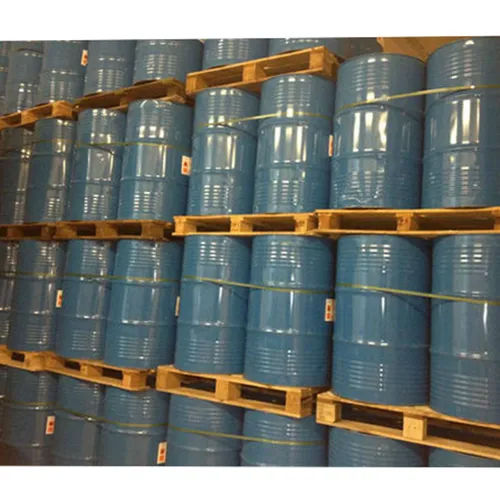
Vinyl Acetate Monomer
120 INR/Kilograms
Product Details:
- Smell Sweet, fruity odor
- Ph Level Neutral
- Grade Industrial Grade
- Physical Form Liquid
- Density 0.932 Gram per cubic centimeter(g/cm3)
- Refractive Rate 1.3940 at 20C
- Properties Colorless, flammable liquid with a sweet, fruity odor. Volatile. Polymerizes easily.
- Click to View more
X
Vinyl Acetate Monomer Price And Quantity
- 200 Kilograms
- 120 INR/Kilograms
Vinyl Acetate Monomer Product Specifications
- Liquid
- Industrial Grade
- Neutral
- Sweet, fruity odor
- CH2=CHOCOCH3
- Colorless, flammable liquid with a sweet, fruity odor. Volatile. Polymerizes easily.
- 1.3940 at 20C
- 0.932 Gram per cubic centimeter(g/cm3)
- 98-99%
- Industrial
- Sweet, irritating
- -93C
- Slightly soluble in water, soluble in most organic solvents
- Yes (toxic if inhaled or ingested)
- 203-545-4
- 108-05-4
- Vinyl Acetate Monomer (VAM)
- 29153200
- 86.09 g/mol
- Clear, colorless liquid
- Vinyl Acetate Monomer
- 1 year under recommended storage conditions
- Raw material for production of polymers and copolymers
- C4H6O2
- Room Temperature
- N/A (Liquid)
- -8C (Closed cup)
- Stable under recommended storage conditions, but polymerizes on contact with air or contaminants.
- 3 (Flammable Liquids)
- Supplied in steel drums, ISO tanks, or bulk as required
- 402C
- 117 mm Hg at 20C
- II
- 72.7C
- 1301
- Usually contains small amounts of hydroquinone or similar inhibitor to prevent polymerization
Vinyl Acetate Monomer Trade Information
- Cash in Advance (CID)
- 5000 Kilograms Per Month
- 3 Days
- All India
Product Description
Vinyl Acetate Monomer is a colorless, volatile liquid organic compound that is used as a monomer in the production of polymers. It has the chemical formula CH3COOCH=CH2. It is the main building block of polyvinyl acetate, a widely used thermoplastic polymer. This is used in the production of copolymers, which are polymers made from a combination of two or more monomers. Vinyl Acetate Monomer is used in the production of coatings, such as paints and inks, where it imparts properties such as water resistance, durability, and UV stability.
Specification
| Boiling Point | 72 deg C |
| Density | 934 kg/m3 |
| Molecular Weight | 86.09 g/mol |
| Chemical Formula | C4H6O2 |
| Usage/Application | Industrial |
| Grade Standard | Reagent Grade |
| Packaging Details | 50 L Drum |
| CAS No | 108-05-4 |
| Physical State | Liquid |
An Essential Raw Material for Industry
Vinyl Acetate Monomer (VAM) is a cornerstone chemical in manufacturing adhesives, paints, textiles, and polymers. Its versatility lies in its ability to undergo polymerization, forming various plastics and resins with broad applications. Owing to a high purity of 98-99%, it ensures optimal performance in industrial processes and delivers consistent results in end products.
Safety and Storage Guidelines
Given VAM's flammable and toxic nature, stringent safety protocols are required during storage and handling. It should be kept in tightly sealed containers-preferably steel drums or ISO tanks-under inhibitor protection at room temperature. This prevents accidental polymerization and preserves the monomer's quality, ensuring a reliable shelf life of up to one year if stored as recommended.
Physical and Chemical Insights
VAM appears as a colorless liquid with a sweet, characteristic odor. It is slightly soluble in water but dissolves well in most organic solvents. The compound features a low flash point of -8C and an autoignition temperature of 402C. These properties shape both its practical uses and the meticulous controls required to transport and apply Vinyl Acetate Monomer safely.
FAQ's of Vinyl Acetate Monomer:
Q: How should Vinyl Acetate Monomer be stored to maintain stability?
A: Vinyl Acetate Monomer must be stored in tightly sealed steel drums or ISO tanks at room temperature, away from direct sunlight and contaminants, and always with an inhibitor like hydroquinone to prevent unwanted polymerization. Proper storage ensures its stability and extends shelf life up to one year.Q: What are the primary industrial applications of Vinyl Acetate Monomer?
A: VAM is primarily used as a raw material in the manufacture of polymers and copolymers, which are then utilized to produce adhesives, paints, coatings, textiles, and a variety of plastics and resins.Q: When does Vinyl Acetate Monomer require special handling precautions?
A: Special precautions are necessary whenever handling VAM due to its toxicity and high flammability. Protective equipment and strict safety protocols must be observed during transport, storage, and usage to avoid exposure and accidental ignition.Q: Where is Vinyl Acetate Monomer typically supplied from and how is it transported?
A: VAM is commonly exported, manufactured, and supplied from countries including India. It is transported in steel drums, ISO tanks, or in bulk, classified as a hazardous material (Hazard Class 3, UN 1301, Packing Group II).Q: What physical properties make Vinyl Acetate Monomer suitable for polymer production?
A: Its high purity, volatility, and ability to polymerize readily are ideal qualities for polymer and copolymer synthesis. Additionally, its good solubility in organic solvents makes it compatible with various industrial formulations.Q: How is unwanted polymerization of Vinyl Acetate Monomer prevented during storage and transport?
A: To prevent premature polymerization, VAM is stabilized with inhibitors such as hydroquinone or similar compounds. These are added in small amounts to inhibit the polymerization reaction, especially on exposure to air or contaminants.Q: What benefits does the use of Vinyl Acetate Monomer provide to manufacturers?
A: Manufacturers benefit from VAM's high purity and reactivity, which facilitate efficient, high-yield processes in producing durable, high-performance adhesives, paints, and specialty polymers tailored to industrial needs.Tell us about your requirement

Price:
Quantity
Select Unit
- 50
- 100
- 200
- 250
- 500
- 1000+
Additional detail
Mobile number
Email


Contact Details
Mine Chem India
GST : 27AAAFM2273P1ZY
- 308, Adamjinarsi Natha Street, Masjid, Katha Bazar,Mumbai - 400009, Maharashtra, India
- Phone :07971189211

 Send Inquiry

Developed and Managed by Infocom Network Private Limited.
